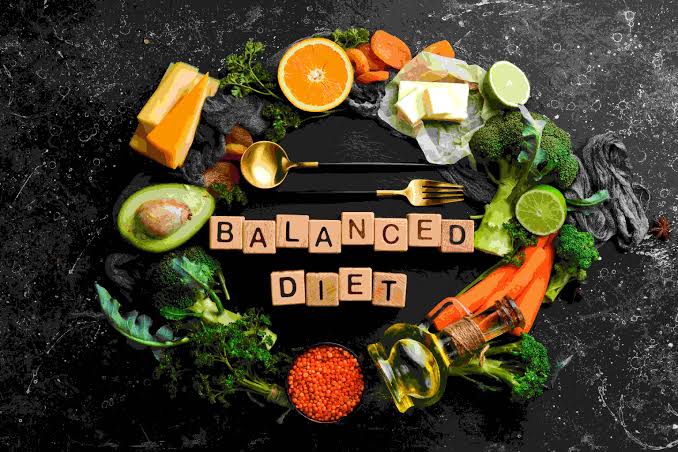
Balanced Diet
 Admin@Kwasammy
The Importance of a Balanced Diet
A balanced diet means giving your body the right mix of nutrients — not too much of one thing, not too little of another. It’s the foundation for good health, steady energy, and long-term wellbeing.
What Makes a Diet “Balanced”?
A balanced diet includes all the major food groups in appropriate proportions:
- Carbohydrates for energy (whole grains, fruits, vegetables)
- Proteins for muscle repair and growth (lean meats, fish, beans, eggs, tofu)
- Fats for hormone function and nutrient absorption (nuts, seeds, olive oil, avocado)
- Vitamins and minerals for immune function and overall health (fruits, vegetables, dairy)
- Water for hydration and every bodily process
No single food group can meet all your body’s needs on its own — variety is key.
Why It Matters
Eating a balanced diet helps your body run efficiently. It supports a healthy immune system, keeps energy levels stable throughout the day, and helps maintain a healthy weight. It also lowers the risk of nutrient deficiencies and chronic conditions like heart disease, diabetes, and osteoporosis.
Balance also matters for mental health — nutrient deficiencies can affect mood, concentration, and sleep quality.
Finding the Right Balance
A helpful approach is the “plate method”:
- Half your plate: vegetables and fruit
- A quarter: lean protein
- A quarter: whole grains or starchy vegetables
- A small amount of healthy fat
Portion size matters too — even healthy foods can contribute to weight gain if eaten in excess.
Practical Tips
- Plan meals ahead to avoid relying on processed convenience foods
- Don’t eliminate entire food groups unless medically necessary
- Allow for moderation, not restriction — occasional treats are part of a balanced approach
- Listen to hunger and fullness cues rather than eating on autopilot