High Blood Pressure: Symptoms, Causes and Prevention Tips
 Admin@Kwasammy
Understanding High Blood Pressure: What You Should Know
High blood pressure, also called hypertension, is a common health condition. It occurs when the force of blood against the walls of the arteries remains higher than it should over time.
One of the challenges with high blood pressure is that a person may have it without feeling unwell.
Why is blood pressure important?
Your heart pumps blood through a network of blood vessels around your body.
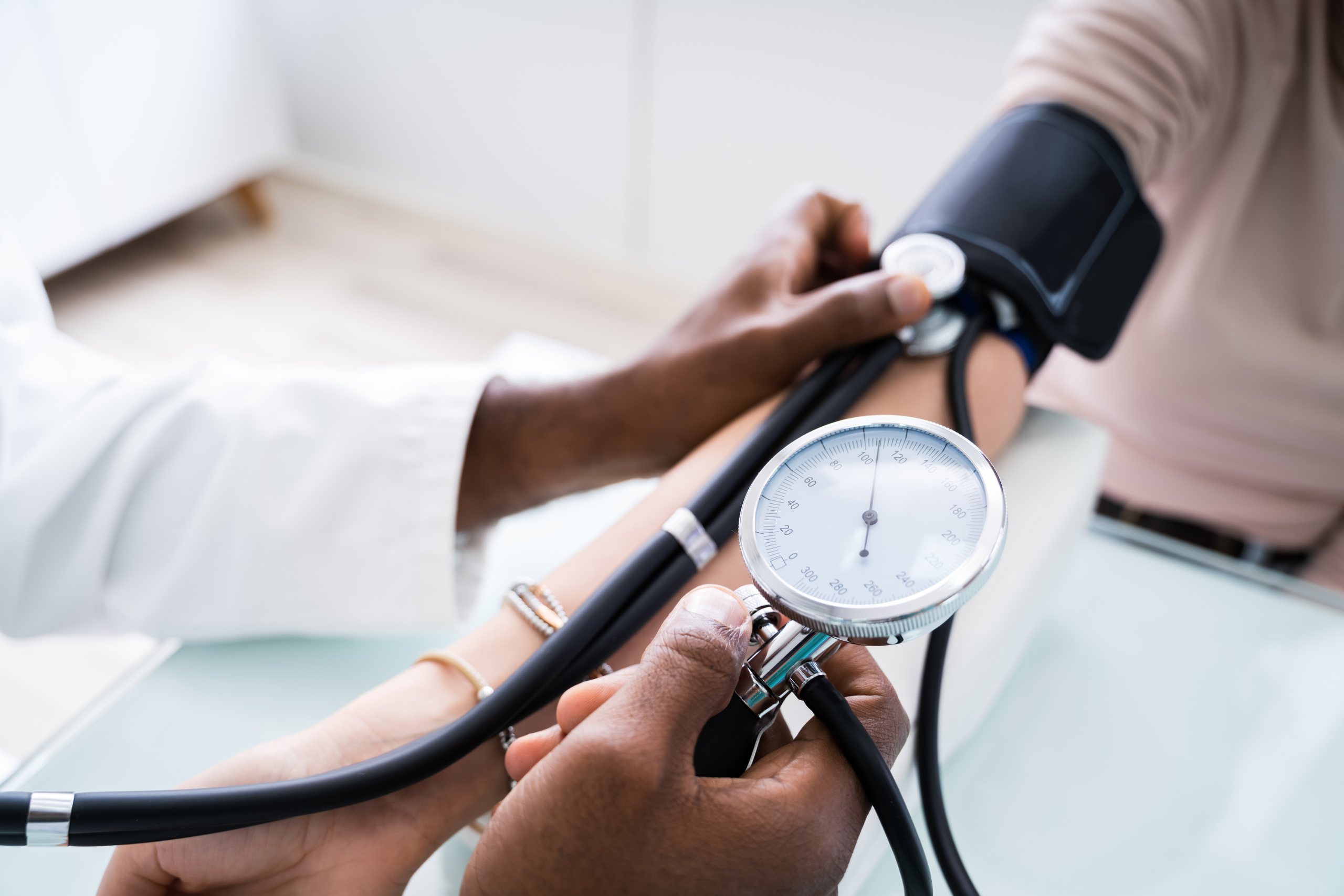
Blood pressure measures the force of that blood against the artery walls.
If blood pressure remains too high over time, it can increase the risk of serious health complications.
Can high blood pressure have symptoms?
High blood pressure often does not cause noticeable symptoms.
This is why relying only on how you feel is not enough.
Regular blood pressure checks can be an important part of preventive healthcare.
If you experience severe symptoms such as chest pain, difficulty breathing, sudden weakness, confusion or other concerning symptoms, seek urgent medical attention.
What can increase the risk?
Several factors may contribute to high blood pressure, including:
- Increasing age
- Family history
- Excessive sodium intake
- Physical inactivity
- Overweight or obesity
- Excessive alcohol consumption
- Smoking
- Certain medical conditions
- Some medications
Having one or more risk factors does not necessarily mean you will develop hypertension, but it makes healthy lifestyle choices and appropriate monitoring especially important.
How can you support healthy blood pressure?
Healthy habits may include:
Eat a balanced diet
Choose a variety of vegetables, fruits, legumes, whole grains and other nutritious foods.
Be physically active
Regular activity can support cardiovascular health.
Maintain a healthy weight
If you are overweight, gradual and sustainable lifestyle changes may be beneficial.
Avoid smoking
Smoking damages blood vessels and increases cardiovascular risk.
Limit excessive alcohol
Excessive alcohol consumption can contribute to high blood pressure.
Monitor your blood pressure
Regular monitoring can help you and your healthcare provider understand your blood pressure pattern.
Don’t stop prescribed medicine without professional advice
If you have been diagnosed with hypertension and prescribed medication, do not stop or change your medication because you feel better or because you have started using another health product.
Speak to your healthcare professional first.
Know your numbers
Knowing your blood pressure can help you make informed decisions about your health.
If you have concerns about your blood pressure, consult a qualified healthcare professional.
Disclaimer: This article is educational and does not diagnose or treat hypertension. Persistent or severe symptoms require appropriate medical evaluation.