Understanding Diabetes: Causes, Symptoms, Prevention and Management
 Admin@Kwasammy
Diabetes is a common health condition that affects how the body regulates blood sugar (glucose). When blood glucose remains too high over time, it can increase the risk of complications affecting the heart, blood vessels, eyes, kidneys, nerves and other parts of the body.
Understanding diabetes, recognizing possible warning signs and adopting healthy lifestyle habits can help people take better care of their health.
At Kwasammy Herbal Clinic, we provide healthcare support and consultation for selected health conditions, including Type 2 diabetes, with an emphasis on appropriate assessment and individualized care.
What Is Diabetes?
Glucose is an important source of energy for the body. The hormone insulin helps glucose move from the bloodstream into cells where it can be used for energy.
Diabetes develops when the body does not produce enough insulin, does not use insulin effectively, or both. As a result, glucose can build up in the bloodstream.
There are several types of diabetes, but the most common include Type 1 diabetes, Type 2 diabetes and gestational diabetes.
What Is Type 2 Diabetes?
Type 2 diabetes is the most common form of diabetes. It occurs when the body becomes less responsive to insulin and, over time, may not produce enough insulin to maintain normal blood glucose levels.
Several factors can increase the risk of Type 2 diabetes, including:
- Being overweight or having obesity
- Physical inactivity
- Unhealthy dietary patterns
- Family history of diabetes
- Increasing age
- Previous gestational diabetes
- Certain underlying health conditions
Having a risk factor does not necessarily mean that a person will develop diabetes.
Common Symptoms of Diabetes
Some people with Type 2 diabetes may have few or no obvious symptoms, particularly in the early stages.
Possible symptoms can include:
- Frequent urination
- Increased thirst
- Increased hunger
- Unexplained weight loss
- Tiredness or weakness
- Blurred vision
- Slow-healing wounds
- Frequent infections
- Tingling or numbness in the hands or feet
These symptoms can also occur with other health conditions. The presence of symptoms alone does not confirm diabetes.
If you experience persistent or unusual symptoms, appropriate health assessment and blood glucose testing are important.
Why Is Diabetes Management Important?
Consistently high blood glucose can damage blood vessels and nerves over time.
Poorly controlled diabetes can increase the risk of complications such as:
- Cardiovascular disease
- Kidney disease
- Eye problems
- Nerve damage
- Foot problems
- Slow wound healing
Regular monitoring and appropriate management can help reduce the risk of complications.
Healthy Lifestyle Habits for People Living With Diabetes
Lifestyle choices can play an important role in diabetes management.
1. Eat a Balanced Diet
Focus on a variety of nutritious foods, including vegetables, fruits, legumes, whole grains and appropriate sources of protein.
Be mindful of portion sizes and limit excessive consumption of foods and drinks high in added sugars.
2. Be Physically Active
Regular physical activity can help improve overall health and may help the body use insulin more effectively.
Activities such as walking, cycling, swimming and other appropriate forms of exercise can be incorporated into a healthy routine.
People with existing health conditions should discuss suitable exercise levels with a healthcare professional.
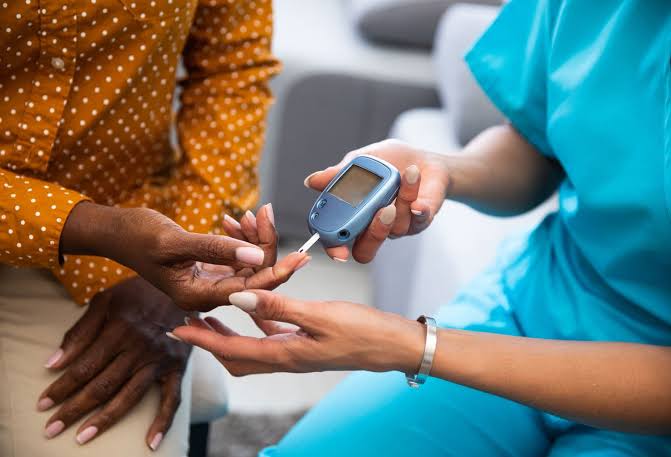
3. Monitor Blood Glucose
Regular blood glucose monitoring may be recommended depending on the type of diabetes and the individual’s treatment plan.
Monitoring helps people and their healthcare providers understand how diet, physical activity, medication and other factors affect blood glucose.
4. Maintain a Healthy Weight
For people who are overweight, achieving and maintaining a healthy weight may help improve blood glucose control and overall health.
Weight-management goals should be realistic and individualized.
5. Take Prescribed Medication as Directed
Some people with diabetes need medication to manage their blood glucose.
If you have been prescribed medication, take it according to your healthcare provider’s instructions. Do not stop, reduce or replace prescribed diabetes medication with a herbal product without discussing it with your healthcare provider.
6. Get Regular Health Checks
People living with diabetes may require regular monitoring of blood pressure, cholesterol, kidney function, eye health, foot health and blood glucose.
Your healthcare provider can advise you on which checks are appropriate and how frequently they should be performed.
Can Herbal Medicine Help With Diabetes?
Herbal medicine has a long history of use in many cultures, including traditional West African healthcare.
However, “natural” does not automatically mean safe or effective for treating diabetes. Some herbal products may interact with diabetes medicines or affect blood glucose levels.
Anyone considering herbal healthcare while living with diabetes should discuss it with a qualified healthcare professional and disclose all medicines, supplements and herbal products they are using.
At Kwasammy Herbal Clinic, people seeking support for Type 2 diabetes can receive consultation and assessment to determine appropriate healthcare options.
Diabetes and Wound Care
People with diabetes can sometimes experience slower wound healing, particularly when blood glucose is poorly controlled.
A small cut, blister or wound on the foot should not be ignored.
Seek professional healthcare attention if a wound:
- Does not appear to be healing
- Becomes increasingly painful
- Becomes swollen or red
- Produces pus or other discharge
- Is accompanied by fever
- Develops a change in colour or sensation
Early assessment can be important in preventing complications.
When Should You Seek Medical Attention?
Seek prompt professional assessment if you experience persistent symptoms that could indicate diabetes.
Urgent medical attention is particularly important for severe symptoms such as:
- Severe weakness or confusion
- Difficulty breathing
- Loss of consciousness
- Persistent vomiting
- Severe dehydration
- Sudden or significant changes in vision
These symptoms can indicate a serious medical problem and should not be managed through self-treatment.
Diabetes Prevention and Risk Reduction
Not every case of diabetes can be prevented. However, some lifestyle changes may reduce the risk of developing Type 2 diabetes.
These include:
- Eating a balanced diet
- Being physically active
- Maintaining a healthy weight
- Limiting excessive intake of sugary drinks
- Avoiding smoking
- Limiting excessive alcohol consumption
- Having appropriate health checks
- Managing other health conditions
Small, consistent lifestyle changes can contribute to better long-term health.
Living Well With Diabetes
A diagnosis of diabetes does not mean that you cannot live an active and fulfilling life. Good diabetes care involves understanding your condition, monitoring your health, following your treatment plan and making sustainable lifestyle choices.
Work with qualified healthcare professionals to develop a care plan appropriate for your individual needs.
Diabetes Support at Kwasammy Herbal Clinic
Kwasammy Herbal Clinic provides consultation and healthcare support for selected cases of Type 2 diabetes.
Our approach focuses on understanding the individual’s health needs and providing appropriate guidance rather than relying on a one-size-fits-all approach.
If you are experiencing symptoms associated with diabetes or have already been diagnosed with Type 2 diabetes, professional assessment can help you understand your health status and available care options.
Kwasammy Herbal Clinic
Agona Swedru: Aboso, behind Zion School Park
Cape Coast: Opposite Mfantsipim School
Phone: 0244 171 416
WhatsApp: 0204 791 961